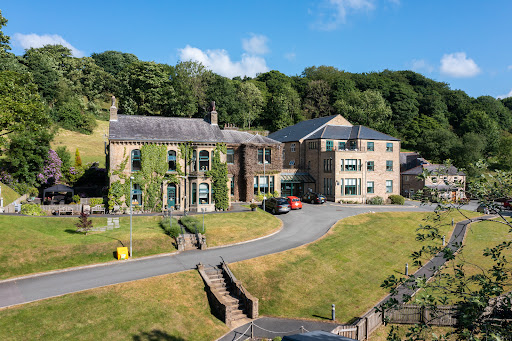
Hadfield House

At a Glance
The information you need to decide whether this home warrants a closer look.
Residential homes
Staff warmth score
of reviewers answered yes
Good to know
- Registered beds28
- SpecialismsCaring for adults over 65 yrs, Caring for adults under 65 yrs, Dementia, Mental health conditions
- Last inspected2018-12-19
The Evidence
What the review data, the inspection reports, and the dementia-care evidence base tell us about this home.
What families say
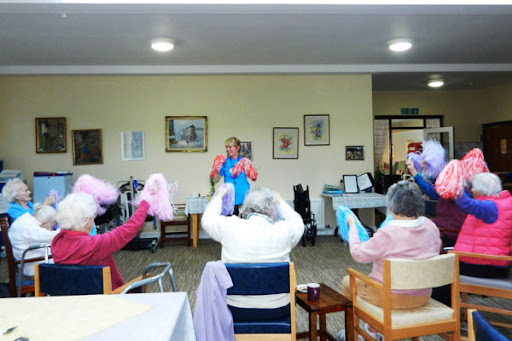
What comes through in family experiences is how staff here respond to the emotional side of care. They've helped residents form new friendships when loneliness creeps in, and families mention feeling reassured by the genuine attention to dignity and respect. The regular programme of singers, quizzes and celebrations gives structure to the days.
The eight family priority themes
- Staff warmth55
- Compassion & dignity55
- Cleanliness55
- Activities & engagement50
- Food quality50
- Healthcare55
- Management & leadership65
- Resident happiness55
What inspectors found
Inspected 2018-12-19
Is this home safe?
Is the care effective?
The Effective domain was rated Good at the January 2022 inspection. This domain covers whether staff have the right training and skills, whether care plans are personalised and up to date, whether people's health needs are met through GP and specialist access, and whether food meets individual dietary needs and preferences. The home lists dementia as a specialism, which implies a higher standard of dementia-specific knowledge should be in place. No specific detail about training content, care plan review frequency, GP access arrangements, or food provision is available in the published text. The improvement from Requires Improvement in this domain is a positive sign.Is this home caring?
The Caring domain was rated Good at the January 2022 inspection. This is the domain most directly concerned with how staff treat the people in their care — warmth, dignity, respect, and independence. For a 28-bed home supporting people with dementia and mental health conditions, the quality of moment-to-moment human interaction is arguably the most important thing a family needs to understand. No direct quotes from residents or relatives are available in the published text, and no specific inspector observations about staff interactions are reproduced. A Good rating in this domain, achieved after a previous Requires Improvement, suggests genuine improvement, but the evidence base for that improvement is not visible in what has been published.Is the home responsive?
The Responsive domain was rated Good at the January 2022 inspection. This domain covers whether the home responds to individuals' needs and preferences, whether activities are meaningful and varied, and whether end-of-life care is planned. For a home with a dementia specialism, responsiveness means recognising that one person's meaningful day looks very different from another's — and that for some people with advanced dementia, group activities are not accessible without one-to-one support. No specific activities are described in the available text, and no detail about end-of-life planning, complaints handling, or individual engagement is reproduced. The Good rating represents an improvement on the previous inspection outcome.Is the home well-led?
The Well-led domain was rated Good at the January 2022 inspection, with named leadership in place: Mrs Kathleen Adshead as Registered Manager and Mr Ian Marshall as Nominated Individual, both connected to the provider Masterpalm Properties Limited. A monitoring review in July 2023 found no evidence requiring a rating change, suggesting continued stability. The previous Requires Improvement rating makes the current Good rating more meaningful — it indicates the leadership team was able to identify problems and drive improvement. No specific detail about governance systems, staff culture, incident learning, or quality monitoring is available in the published text.
Source: CQC inspection report →
What the evidence base says
The home cares for adults both over and under 65, including those living with dementia or mental health conditions. For residents with dementia, the staff's ability to tune into emotional needs and maintain dignity seems particularly valuable. The regular activities and social structure can help provide reassuring routine. All areas worth probing directly during a visit.
The DCC Verdict
Our editorial view, built from the three lenses: what families tell us, what inspectors record, and how the home sits against good dementia-care practice.
DCC Family Score
Hadfield House achieved a Good rating across all five domains in its January 2022 inspection, representing a meaningful improvement from its previous Requires Improvement status — but the published report contains limited specific detail, meaning the score reflects solid progress rather than standout, evidenced care.
Homes in North West typically score 68–82.The three-lens summary
What families tell us
What comes through in family experiences is how staff here respond to the emotional side of care. They've helped residents form new friendships when loneliness creeps in, and families mention feeling reassured by the genuine attention to dignity and respect. The regular programme of singers, quizzes and celebrations gives structure to the days.
What inspectors have recorded
Families describe staff who stick with residents through difficult patches, working patiently to help them regain strength after illness. There's a sense of sustained effort here, not just quick fixes. The care approach seems built around really knowing each resident as an individual.
How it sits against good practice
Sometimes the smallest gestures reveal the most about a place — and at Hadfield House, those gestures seem to add up to something families value.
Worth a visit
Hadfield House in Oldham was rated Good across all five inspection domains at its most recent assessment in January 2022, published in February 2022 — an improvement on its previous Requires Improvement rating. The home supports up to 28 people, including those living with dementia and mental health conditions, and is run by Masterpalm Properties Limited with a named Registered Manager in place. A July 2023 monitoring review found no evidence requiring a reassessment of the rating, meaning the Good status was considered to still reflect the home's performance at that point. The improvement from Requires Improvement to Good across every domain is a meaningful signal that the home addressed previous concerns. The main limitation of this report is that the publicly available inspection text contains very little specific detail — no direct quotes from residents or families, no named observations of care in practice, and no breakdown of what the inspectors actually saw on the day. This means the Good rating is confirmed but not richly evidenced here, and you should treat a visit as essential rather than optional. When you visit, pay particular attention to how staff interact with residents in corridors and communal areas when they don't know they're being watched — unhurried, warm interactions are the clearest sign that the culture matches the rating. Ask directly about night staffing numbers, how dementia training is delivered, and whether you would be involved in reviewing your parent's care plan.
The three questions to ask when you visitSave this home. Compare it against your shortlist.
Let our analysis show you how Hadfield House measures up against the other homes you’re considering. Free account.
In Their Own Words
How Hadfield House describes itself — collected from its own website. DCC has not edited or independently verified the content in this tab.
Where staff truly see the person behind every worry
Residential home in Oldham: True Peace of Mind
When you're looking for the right place, you need to know your loved one will be understood — not just cared for. Hadfield House in Oldham seems to grasp this fundamental truth. Families describe a place where staff pick up on the small things that matter, whether that's noticing when someone needs a friend or taking time to ease those first-day nerves.
Who they care for
The home cares for adults both over and under 65, including those living with dementia or mental health conditions.
For residents with dementia, the staff's ability to tune into emotional needs and maintain dignity seems particularly valuable. The regular activities and social structure can help provide reassuring routine.
“Sometimes the smallest gestures reveal the most about a place — and at Hadfield House, those gestures seem to add up to something families value.”
DCC does not edit or curate content in this tab. For independently curated information, see The Evidence and DCC Verdict.
The DCC Verdict
Our editorial view, built from the three lenses: what families tell us, what inspectors record, and how the home sits against good dementia-care practice.
DCC Family Score
Hadfield House achieved a Good rating across all five domains in its January 2022 inspection, representing a meaningful improvement from its previous Requires Improvement status — but the published report contains limited specific detail, meaning the score reflects solid progress rather than standout, evidenced care.
Homes in North West typically score 68–82.The three-lens summary
What families tell us
What comes through in family experiences is how staff here respond to the emotional side of care. They've helped residents form new friendships when loneliness creeps in, and families mention feeling reassured by the genuine attention to dignity and respect. The regular programme of singers, quizzes and celebrations gives structure to the days.
What inspectors have recorded
Families describe staff who stick with residents through difficult patches, working patiently to help them regain strength after illness. There's a sense of sustained effort here, not just quick fixes. The care approach seems built around really knowing each resident as an individual.
How it sits against good practice
Sometimes the smallest gestures reveal the most about a place — and at Hadfield House, those gestures seem to add up to something families value.
Worth a visit
Hadfield House in Oldham was rated Good across all five inspection domains at its most recent assessment in January 2022, published in February 2022 — an improvement on its previous Requires Improvement rating. The home supports up to 28 people, including those living with dementia and mental health conditions, and is run by Masterpalm Properties Limited with a named Registered Manager in place. A July 2023 monitoring review found no evidence requiring a reassessment of the rating, meaning the Good status was considered to still reflect the home's performance at that point. The improvement from Requires Improvement to Good across every domain is a meaningful signal that the home addressed previous concerns. The main limitation of this report is that the publicly available inspection text contains very little specific detail — no direct quotes from residents or families, no named observations of care in practice, and no breakdown of what the inspectors actually saw on the day. This means the Good rating is confirmed but not richly evidenced here, and you should treat a visit as essential rather than optional. When you visit, pay particular attention to how staff interact with residents in corridors and communal areas when they don't know they're being watched — unhurried, warm interactions are the clearest sign that the culture matches the rating. Ask directly about night staffing numbers, how dementia training is delivered, and whether you would be involved in reviewing your parent's care plan.
The three questions to ask when you visitSave this home. Compare it against your shortlist.
Let our analysis show you how Hadfield House measures up against the other homes you’re considering. Free account.
In Their Own Words
How Hadfield House describes itself — collected from its own website. DCC has not edited or independently verified the content in this tab.
Where staff truly see the person behind every worry
Residential home in Oldham: True Peace of Mind
When you're looking for the right place, you need to know your loved one will be understood — not just cared for. Hadfield House in Oldham seems to grasp this fundamental truth. Families describe a place where staff pick up on the small things that matter, whether that's noticing when someone needs a friend or taking time to ease those first-day nerves.
Who they care for
The home cares for adults both over and under 65, including those living with dementia or mental health conditions.
For residents with dementia, the staff's ability to tune into emotional needs and maintain dignity seems particularly valuable. The regular activities and social structure can help provide reassuring routine.
Management & ethos
Families describe staff who stick with residents through difficult patches, working patiently to help them regain strength after illness. There's a sense of sustained effort here, not just quick fixes. The care approach seems built around really knowing each resident as an individual.
The home & environment
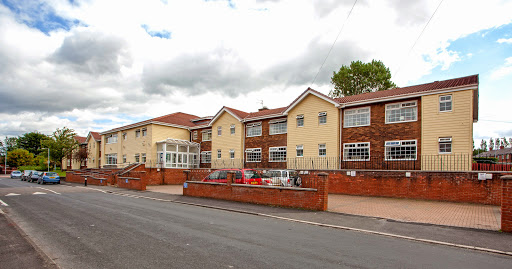
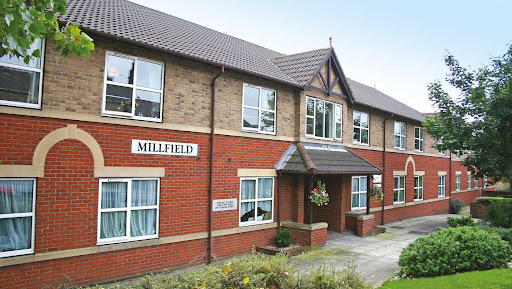
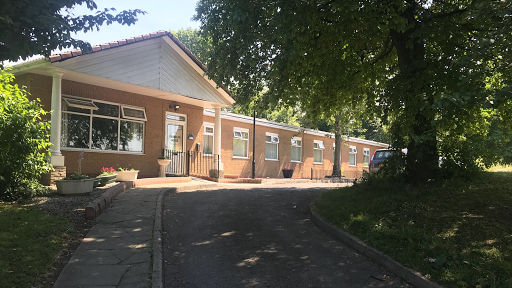
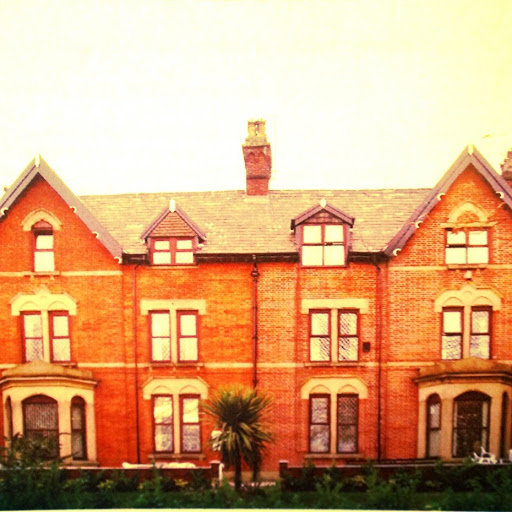
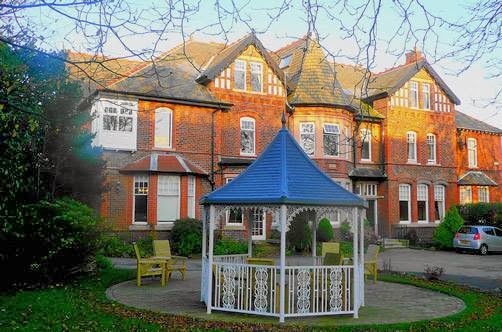
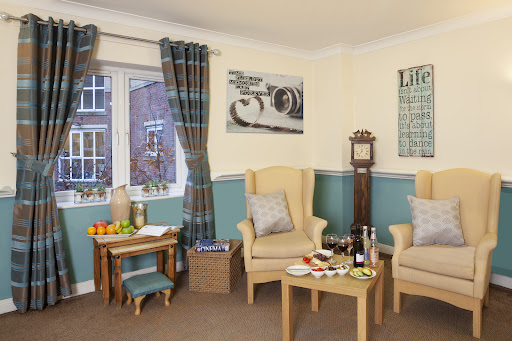
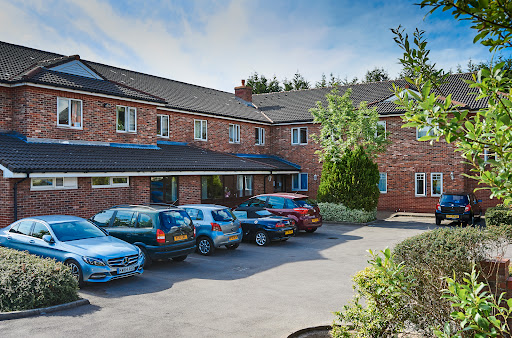
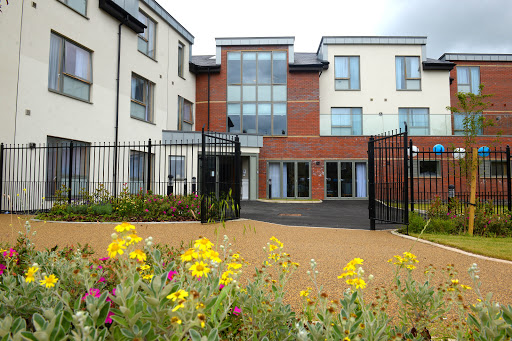
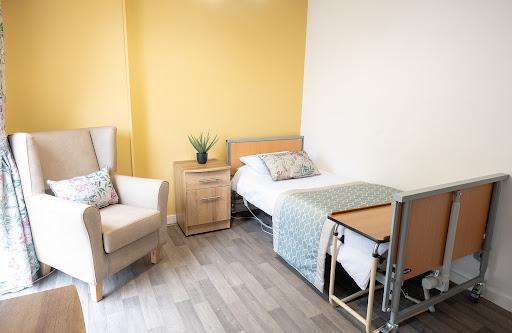
The food gets consistent praise from both residents and their families. While the building itself doesn't feature prominently in what families share, they focus more on how the space is used — regular entertainment in communal areas and a sense of activity throughout the home.
“Sometimes the smallest gestures reveal the most about a place — and at Hadfield House, those gestures seem to add up to something families value.”
DCC does not edit or curate content in this tab. For independently curated information, see The Evidence and DCC Verdict.